Copenhagen is Denmark’s capital and a compact city that mixes historic buildings, harbor life, and a strong design and food scene. It’s easy to get around by bike or on foot, and most central sights are within 20–30 minutes of each other.
Main Copenhagen Sights
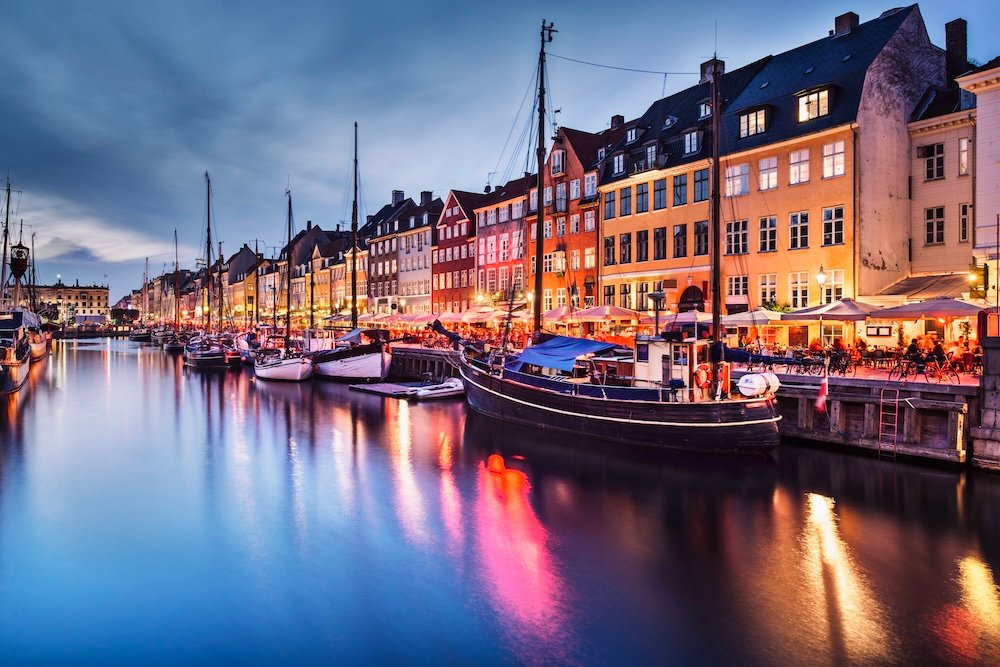
- Nyhavn and the harbour: Colourful 17th-century buildings line the old canal, now full of restaurants and boat tours. It’s touristy for sure but still a good way to get a feel for the city and see the waterfront.
- Rosenborg Castle and Amalienborg: Rosenborg holds the Danish crown jewels and a small palace garden. Amalienborg is the royal residence, where you can watch the changing of the guard at noon.
- Tivoli Gardens: One of the world’s oldest amusement parks, from 1843. It’s more about atmosphere and gardens than thrill rides, and it lights up nicely in the evening. Prices are higher than other parks, so decide if the setting is worth it for you.
- Christiansborg Palace and the Parliament: You can visit the royal reception rooms, ruins under the palace, and the tower for city views. It’s functional government space mixed with history.
- The Little Mermaid statue: Small and often crowded, but it’s a cultural symbol. Many visitors stop by quickly and move on.
Copenhagen Neighbourhoods and Culture
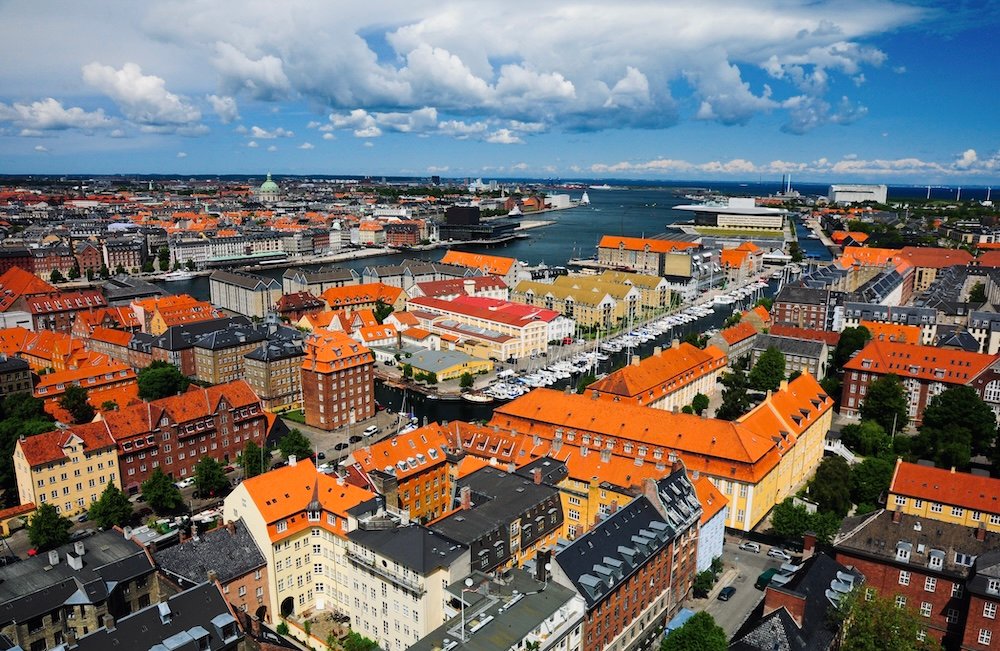
- Frederiksberg and Vesterbro: More residential, with cafes, second-hand shops, and meatpacking district bars. Less polished than central Copenhagen, and that’s the point.
- Christiania: A self-governing community known for alternative culture and a long history of debate over rules and policing. It’s open to visit, but be respectful of local norms and signage.
- Museums: The National Gallery (SMK) covers Danish and European art; the National Museum covers Danish history from Vikings to modern times. If you only have time for one, pick based on interest.
Copenhagen – Practical Notes
Cycling is central to daily life, and the city is built for it with dedicated lanes. Renting a bike is common, though traffic can feel fast if you’re not used to it. English is widely spoken, and most people are comfortable switching to it.
Costs are high by European standards, especially for food and accommodation. Many visitors offset this by using free attractions like the harborfront and parks, and by eating at street food halls or bakeries.
The pace is slower than London or Paris. Winter is dark and cold, while May to September has long daylight and outdoor activity. Summer brings more crowds, but also festivals and outdoor dining.
Copenhagen works well for a 2–3 day visit if you like architecture, food, and a calmer urban atmosphere.
Copenhagen Visitor FAQ
Getting around
- Do I need a car? No. Central Copenhagen is compact, and parking is expensive. Most visitors use bikes, metro, buses, or walk. The metro runs 24/7 and connects the airport to the city in ∼15 min.
- Is biking safe for tourists? Yes, but the lanes move fast. Stick right, signal with your arm, and don’t stop suddenly in a lane. Rent from Donkey Republic or Bycyklen if you want built-in GPS.
- What’s a Rejsekort and do I need one? It’s a reloadable transit card. For short stays, just tap your contactless card/phone at metro/train gates and bus readers. It auto-caps daily.
Money & costs
- Is Copenhagen cashless? Almost. Cards and mobile pay work everywhere. Some small kiosks or flea markets prefer MobilePay, but tourists can usually use Visa/Mastercard.
- How expensive is it really? High. Budget ∼150–200 DKK for a casual lunch, 500+ DKK for dinner without drinks. Supermarket sandwiches and bakeries cut costs. Tap water is free at restaurants — ask for “postevand.”
- Tipping expected? No. Service is included. Round up for exceptional service, but it’s not required.
Weather & when to go
- What’s the weather actually like? Unpredictable. Summer averages 15–22°C but rain is common year-round. May–September has the best daylight — up to 17 hours in June. Winter is dark, ∼7 hours of light in December.
- Is it too crowded in summer? July–August is peak season. Nyhavn, Tivoli, and the Little Mermaid get busy midday. Go early morning or shoulder season (May, Sept) for fewer crowds and decent weather.
Culture & etiquette
- Do I need to speak Danish? No. Nearly everyone under 60 speaks fluent English. Learn “tak” (thanks) and locals appreciate it.
- What should I avoid doing? Don’t walk in bike lanes, don’t haggle, and don’t sit at a café without ordering. In Christiania, follow posted rules — no photos on Pusher Street.
- Is the city accessible? Metro and S-trains are step-free. Cobblestones and old buildings make some areas harder for wheelchairs. Most museums have good access.
Food & drink
- Is everything New Nordic fine dining? No, that’s the high end. You’ll also find pølsevogne (hot dog stands), shawarma, smørrebrød, and bakeries with kanelsnegle. Torvehallerne and Reffen are good food halls with range.
- Can I drink in public? Yes, it’s legal. You’ll see locals with beers in parks or at the harbor. Public drunkenness that disturbs others isn’t tolerated.
Day trips & extras
- What’s worth leaving the city for? Louisiana Museum of Modern Art in Humlebæk is 35 min by train, on the coast. Roskilde for its cathedral and Viking Ship Museum is 25 min. Malmö, Sweden is 40 min over the Øresund Bridge.
- Do I need the Copenhagen Card? Only if you plan 3+ paid attractions per day + public transport. Add up entry fees first — Tivoli, canal tours, and Rosenborg are the priciest. For a light itinerary, pay-as-you-go is often cheaper.
Safety
- Is it safe? Very. Pickpocketing happens around Nørreport Station and Nyhavn in summer, but violent crime is rare. Bike theft is the biggest issue — use two locks if renting.